
Keeping your HVAC unit running is probably the most important part of summer comfort here in the area. That’s why it’s good to check a few things before summer gets too hot.
It’s June right now, the perfect time to catch up on HVAC maintenance. Follow our five tips to keep from being unpleasantly surprised by your HVAC unit this summer.
-
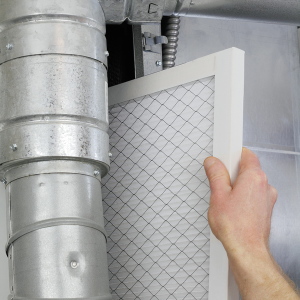 Change the Air Filter
Often the first thing a Nashville HVAC repairman checks on a service call is the air filter. This is because dirt and neglect are a leading cause in the failure of HVAC units. But that’s not the only reason you should change the air filter. A clogged filter forces an HVAC unit to work harder, ultimately raising your energy costs (and making the unit wear out faster). Check the packaging on your filter to determine how often it should be changed. Most quality filters should be switched out every 90 days.
- Clear 2 Feet Around the Unit
Sometimes landscapers and homeowners like to plant shrubs in close proximity to the HVAC unit of a home, ostensibly to conceal the unit and keep it from ruining the view. But according to this HVAC blog, anything closer than 2 feet to a unit will most likely damage it. The exterior of your HVAC unit is called the condenser, and it needs room for air to pass over the condensing coil. In the summer this especially becomes a problem because the HVAC works to dump heat from your home; when there is no room to dump the heat, it stays in the unit, keeping it warm and forcing the unit to work harder. Keep your energy bill down and your unit working longer by giving it 2 feet clearance.
- Keep Unit Free from Grass
 Similar to keeping the ground clear around your unit, you should work to clear your HVAC unit of grass clippings and other debris. When the condensing coil gets clogged, it behaves the same as when there isn’t room to dump warm air—the efficiency is drastically reduced. Summer is when we cut our grass, so save yourself grief from an over-burdened HVAC unit by keeping the exterior free from clogs.
- Turn Off Water to the Furnace Humidifier
You may have never heard of it, but many HVAC units have a whole-house humidifier attached. The humidifier is usually a white plastic unit, about a foot square in size, and it attaches to the exterior of your unit. If this describes your HVAC unit, you need to make sure you turn off the humidifier after heating season is over. Your AC won’t cool properly if the humidifier is on. To do this, follow the steps in this post, or call your local heating and cooling company in Nashville, TN to do it for you.
- Clear Unit Condensate Drain
Every HVAC unit has a little drain on the side that allows collected condensation to run off from the unit. It can look like a small PVC pipe. It is important to keep this drain unclogged because if the drainage has nowhere to go, it can create an internal leak that will turn into hidden water damage and even mold. Debris like dust, insects, insect nests, and nearby insulation are common culprits. To unclog, clear visible debris and carefully snake the rest of the drainpipe following the advice in this post. Or you can call your local heating and air company for help.
Will your HVAC unit survive the summer?
What do you think—does your HVAC unit need a little TLC? Check on the things we’ve talked about—air filter, 2-foot clearing, grass buildup, humidifier, and condensate drain—and see if correcting one or two of these things doesn’t lower your energy bill a little. If it does, you know you’ve boosted the efficiency of your unit and given it a little longer life.
What’s the state of your HVAC unit? Is it prepared to handle the humid heat we’re about to face? Tell us your summer HVAC preps story in the comment box below!
Leave a Comment